Website designed with the B12 website builder. Create your own website today.
Start for free
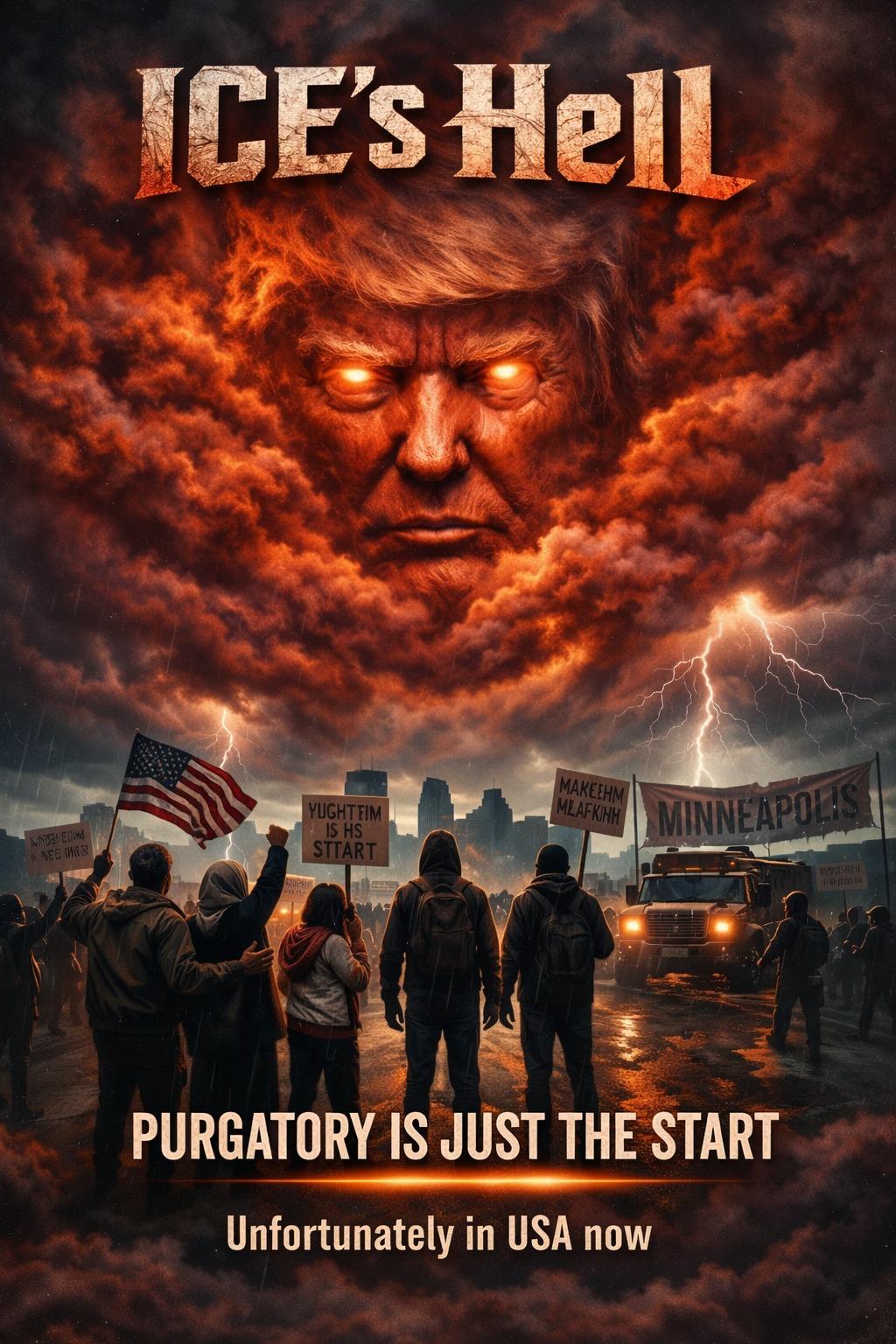
In 2026, with wars raging, political polarization intensifying, and inequalities growing, it’s easy to feel as though the global democratic system is unraveling. But before declaring the end of democracy, it helps to take a step back and look at the evidence, trends, and deeper forces at work. This article explores whether we’re truly witnessing a collapse of democracy — or something more complex — by examining global data, current events, and what it all might mean for the future.
According to indexes tracking political systems worldwide, democracy is under strain, but not extinct. The Economist Intelligence Unit’s Democracy Index shows a global average that has declined in recent years — from around 5.28 out of 10 in 2021 to about 5.17 in 2024 — based on measures like electoral processes, civil liberties, and political participation.
Only 25 out of 167 countries were classified as full democracies in 2024, and many established democracies slipped into flawed or imperfect categories. This doesn’t mean there is no democracy left, but it does indicate that democratic quality — in both process and culture — is weakening in many places.
Freedom House’s reports also paint a sobering picture: political rights and civil liberties have declined in 52 countries, while only 21 saw improvements — marking continued erosion for the 18th year in a row.
What this suggests isn’t an abrupt “end,” but a long-term global trend of democratic backsliding and polarization.
In the United States — long considered a hallmark of liberal democracy — recent analysis points to significant challenges. Contemporary reporting by The Guardian notes that since the return of Donald Trump to the presidency, many scholars view elements of American governance as exhibiting “authoritarian behavior,” where democratic norms are under pressure, institutions are tested, and democratic ratings have fallen sharply.
Moreover, reports highlight political intimidation against judges and lawyers tied to high-profile cases, indicating increasing pressure on independent institutions.
Public opinion mirrors some of this concern. According to a Chicago Council on Global Affairs survey, 67% of Americans see weakening democracy as a critical threat, though views on causes vary sharply across political lines.
These trends illustrate not that democracy has vanished, but that its resilience is being tested even in long-standing democratic systems.
Democratic institutions are also strained by global conflicts like the war in Ukraine, ongoing violence in the Middle East, and crises in places like Sudan, Venezuela, or Iran. Large-scale wars redraw geopolitical priorities and often empower executive powers in democratic countries, which can erode checks and balances when emergencies persist.
Conflicts over migration, humanitarian policy, and international alliances also fuel domestic polarization. These pressures don’t by themselves end democracy, but they can shrink civic space, fuel populism, and embolden authoritarian tendencies.
Scholars caution against framing current events as the absolute “end” of democracy. Data over decades — including historical models of regime change — suggest political systems evolve through cycles. Some scholars using statistical models find that autocracies may increase relative to democracies before stabilizing, but there is no evidence that democracy will disappear entirely.
At the same time, toxic political discourse — especially in Western countries — has increased, contributing to more divisive narratives and less constructive democratic dialogue, a trend observed by researchers studying political communication patterns.
Rather than a definitive collapse, what we are witnessing could be described as a critical juncture: rising authoritarian tendencies in some regions, persistent conflict, and heightened mistrust of institutions alongside pockets of resilience and civic engagement.
So no — we aren’t quite at the end of democracy, but we are living through a period of significant democratic challenge. Key takeaways:
This moment isn’t hopeless — it’s a call to action. Democratic systems depend on informed citizens, robust institutions, and active civic engagement. Democracies adapt and evolve, but only when citizens insist on accountability, plurality, and respect for human rights.