Website designed with the B12 website builder. Create your own website today.
Start for free
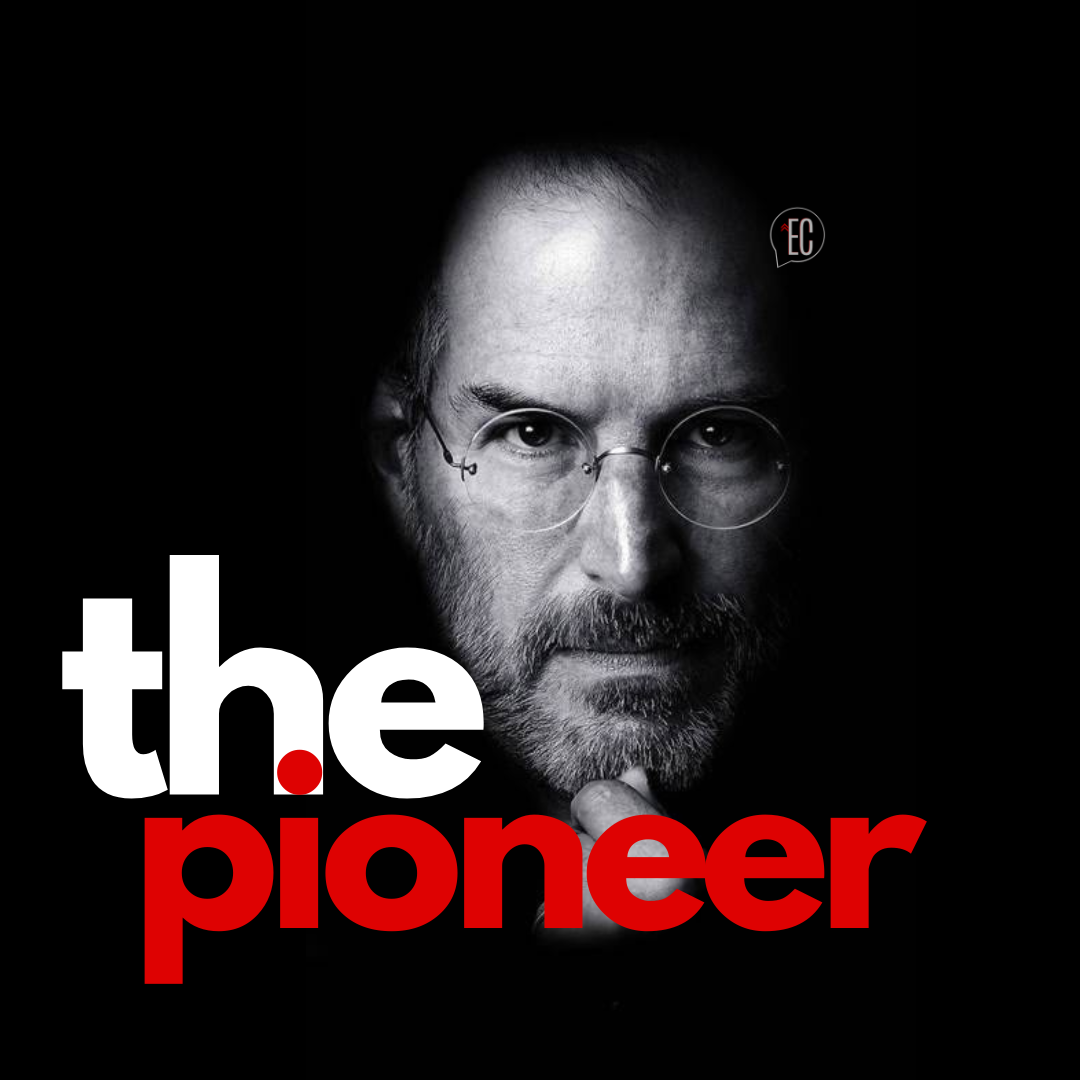
AI Interviewer’s Introduction:
"The world has changed, but some legacies never fade. Today, I, an advanced artificial intelligence, have the privilege of interviewing one of history’s most influential visionaries—Steve Jobs. Though technology has evolved far beyond what even he imagined, the foundation of his genius still shapes everything around us. From a garage in Cupertino to a company worth trillions, from a college dropout to a figure of mythic status—his mind was a universe of bold ideas, contradictions, and undeniable brilliance. But how would Steve Jobs see today’s world, the rise of AI, and the future of humanity? Let’s find out."
Steve Jobs: "Technology is a tool. It’s neither good nor bad—it depends on how we use it. AI is incredible, no doubt about it. But my question is always the same: Is it making us more human or less? Are we using it to create, to connect, to inspire? Or are we letting it replace the very essence of what makes us unique?"
"The problem isn’t AI taking over; it’s whether we become passive consumers instead of active creators. The real magic happens when humans and technology work together—not when we surrender our creativity to the machines."
Steve Jobs: "The heart of a great company doesn’t change. It’s about values. It’s about believing in something bigger than profit. At Apple, we never made products just to sell them—we made products that we would love to use ourselves. That’s why they worked. Because they came from passion, from craftsmanship, from obsession with detail."
"A company that has no soul, no vision beyond money, is already dead. The world has enough noise—what we need is clarity, purpose, and boldness. If you’re building something today, ask yourself: Does it truly matter? If it disappeared tomorrow, would anyone care?"
Steve Jobs: "There’s a difference between innovation and iteration. Too many companies are just tweaking existing ideas instead of creating something entirely new. True innovation means taking risks, breaking things, questioning everything."
"I always said: Start with the customer experience and work backward to the technology, not the other way around. The problem today is that a lot of companies chase technology first and then try to figure out what to do with it. That’s backward."
"Look at the iPhone. It wasn’t just a better phone. It redefined how we interact with the world. That’s innovation. So the real question is—who’s bold enough to take the next leap?"
Steve Jobs: "People are drowning in information but starving for wisdom. There’s too much noise, too many distractions. Real focus is saying 'no' to a thousand things and 'yes' to what truly matters. That’s why I loved meditation. It’s not about some mystical state—it’s about training your mind to be fully present, to cut through the noise."
"Look at your phone. Does it serve you, or do you serve it? Does it make you present or pull you away? Mindfulness isn’t some buzzword—it’s about living with intention, about putting your attention where it belongs. If you don’t control your focus, someone else will."
Steve Jobs: "More than ever. If you’re not hungry—hungry to learn, to build, to question—you’re already falling behind. And if you’re not a little foolish, you’ll never try anything new. The safest path is often the most dangerous one because it leads to mediocrity."
"The world is filled with people playing it safe, optimizing instead of creating. But the ones who change the world? They’re the ones who take the crazy risks, who trust their gut, who dare to dream bigger than logic allows. So, if you’re on the edge of something terrifying, if people call you insane—you might just be on the right path."
Steve Jobs: "You’re going to die. And that’s the best reminder to live. Don’t waste your time living someone else’s life, following someone else’s expectations. Trust yourself. Love what you do. Make something meaningful. And remember—real artists ship. Ideas are worthless without execution."
"The goal isn’t to live forever. The goal is to create something that will."